
Trézor Bridge® | Introducing the New Trezor® App
Trezor Bridge provides a reliable connection between Trezor devices and compatible desktop software, helping users access wallet features, manage accounts, and securely interact with crypto assets.
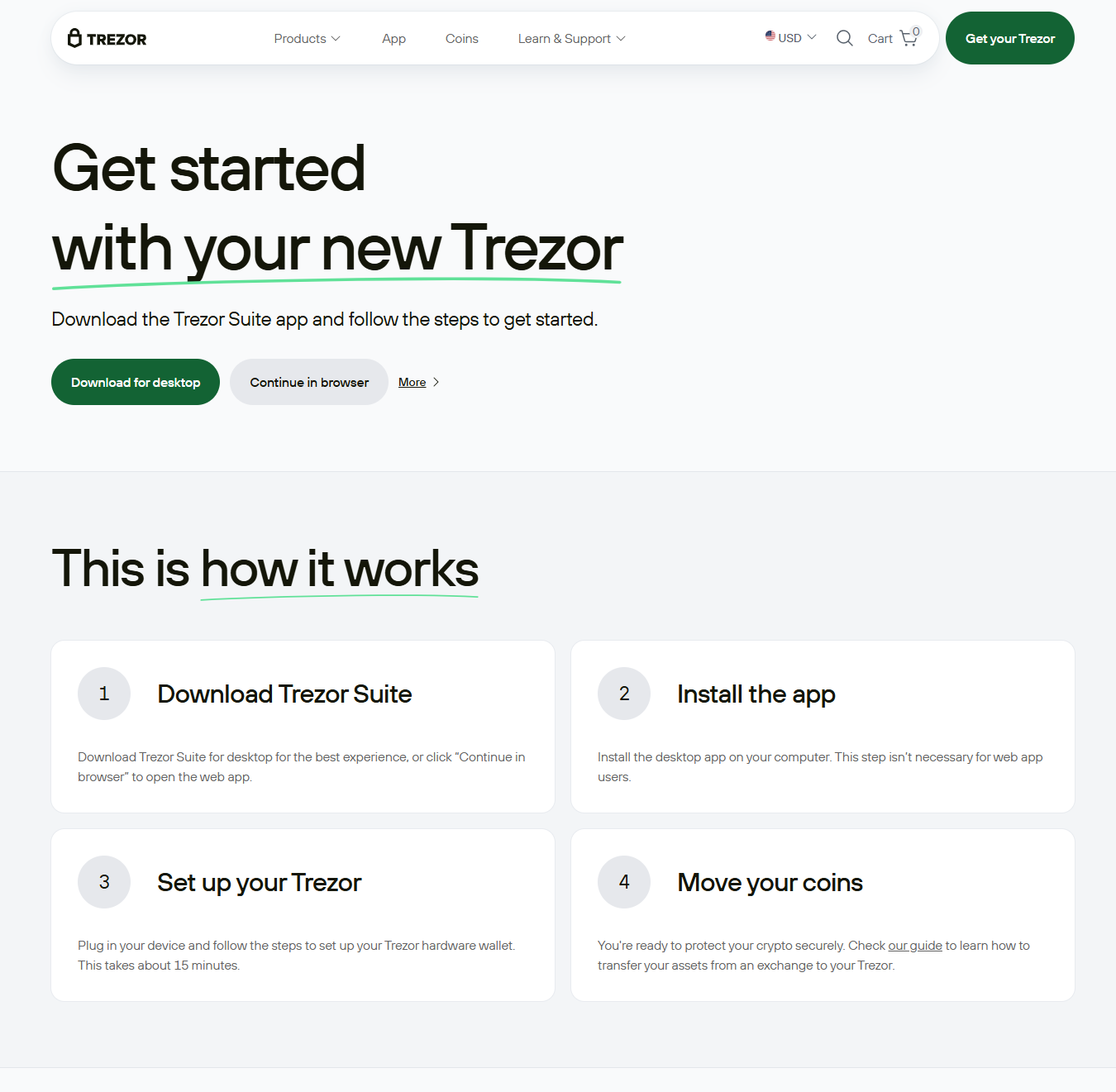
Trezor Bridge: A Simple Guide to Secure Wallet Connectivity
Managing a hardware wallet requires more than the physical device itself. Your computer and wallet software also need a reliable way to communicate with each other. Trezor Bridge is designed to provide that connection, helping compatible Trezor devices communicate with supported applications and interfaces.
For new users, understanding how this communication layer works can make the setup process easier. Instead of thinking of Trezor Bridge as another wallet, it is better to view it as a supporting component that helps establish communication between your Trezor hardware wallet and compatible software.
Understanding Trezor Bridge
Trezor Bridge is software that enables communication between a Trezor hardware wallet and supported applications on a computer. A hardware wallet keeps important cryptographic operations protected on the device, while software provides the interface for viewing accounts and managing supported assets.
The bridge works in the background, helping these two environments communicate when required. It does not replace the Trezor hardware wallet, recovery seed, or wallet-management application.
Because software requirements can change over time, users should always check the current Trezor documentation for the latest compatibility and installation guidance.
Why Trezor Bridge Matters
A hardware wallet is designed to keep sensitive operations separated from the computer. However, the device still needs a communication channel when you want to manage accounts, review balances, or interact with supported services.
Trezor Bridge can help provide this connection without requiring the private information protected by the hardware wallet to be exposed to the computer.
This separation is one of the important concepts behind hardware-wallet security. Your computer can display information and request an action, while the hardware device can be used to approve important operations.
Preparing Your Computer
Before installing or using Trezor Bridge, make sure your operating system is supported by the current Trezor software. Keep the operating system and security software updated, and avoid installing wallet-related programs from unknown websites.
Download software only through official Trezor resources. Search results, advertisements, emails, and social-media posts can sometimes lead users toward imitation websites. Checking the website address carefully is an important part of safe wallet management.
Once the appropriate software is installed, restart the application or computer if required so that the communication component can load correctly.
Connecting a Trezor Device
After preparing your computer, connect the Trezor hardware wallet using a compatible USB connection. The device may request interaction directly on its screen before it can be used.
Open the supported Trezor software and allow it to detect the connected device. Depending on the current software version and wallet model, the exact interface can differ.
If the device is recognized correctly, you can continue with account management and other supported functions. Always pay attention to information shown on the hardware wallet itself, particularly when approving transactions.
Using Trezor Bridge With Wallet Software
The main benefit of Trezor Bridge becomes apparent when the hardware device needs to communicate with wallet-management software. The application can request information or an action, while the Trezor device provides secure confirmation for sensitive operations.
This arrangement helps create a practical balance between convenience and security. You can use a desktop interface to organize your accounts and monitor activity while keeping critical authorization steps on the hardware wallet.
For many users, Trezor Suite provides the primary environment for interacting with supported Trezor devices. The exact software requirements may depend on the device and current version.
Troubleshooting Connection Problems
If your Trezor device is not detected, start with simple checks. Confirm that the USB cable is properly connected and try another compatible port. Close other wallet applications that could be attempting to access the device at the same time.
Restarting the wallet application or computer can also resolve temporary communication issues. Make sure your Trezor software and bridge component are compatible with your operating system.
If problems continue, consult official Trezor support documentation rather than downloading unofficial drivers or utilities from random websites.
Security Practices to Remember
Installing Trezor Bridge correctly is only one part of protecting a hardware wallet. Never type your recovery seed into a website, computer application, online form, or message. Genuine support should not require you to disclose your recovery words.
Be cautious with unexpected prompts, fake software updates, and websites requesting sensitive wallet information. When confirming a transaction, compare the details shown on your Trezor device with what you intended to approve.
Keeping your recovery information offline and private is essential because anyone who obtains it may be able to access the associated wallet.
Final Thoughts
Trezor Bridge serves as an important communication layer for compatible Trezor hardware-wallet setups. By helping the device communicate with supported software, it makes desktop wallet management more convenient while allowing sensitive authorization to remain on the hardware wallet.
For the safest experience, use official Trezor software, keep your computer updated, verify transactions on the device, and protect your recovery seed at all times. With these practices, users can build a more secure and straightforward hardware-wallet workflow.
Updated about 8 hours ago